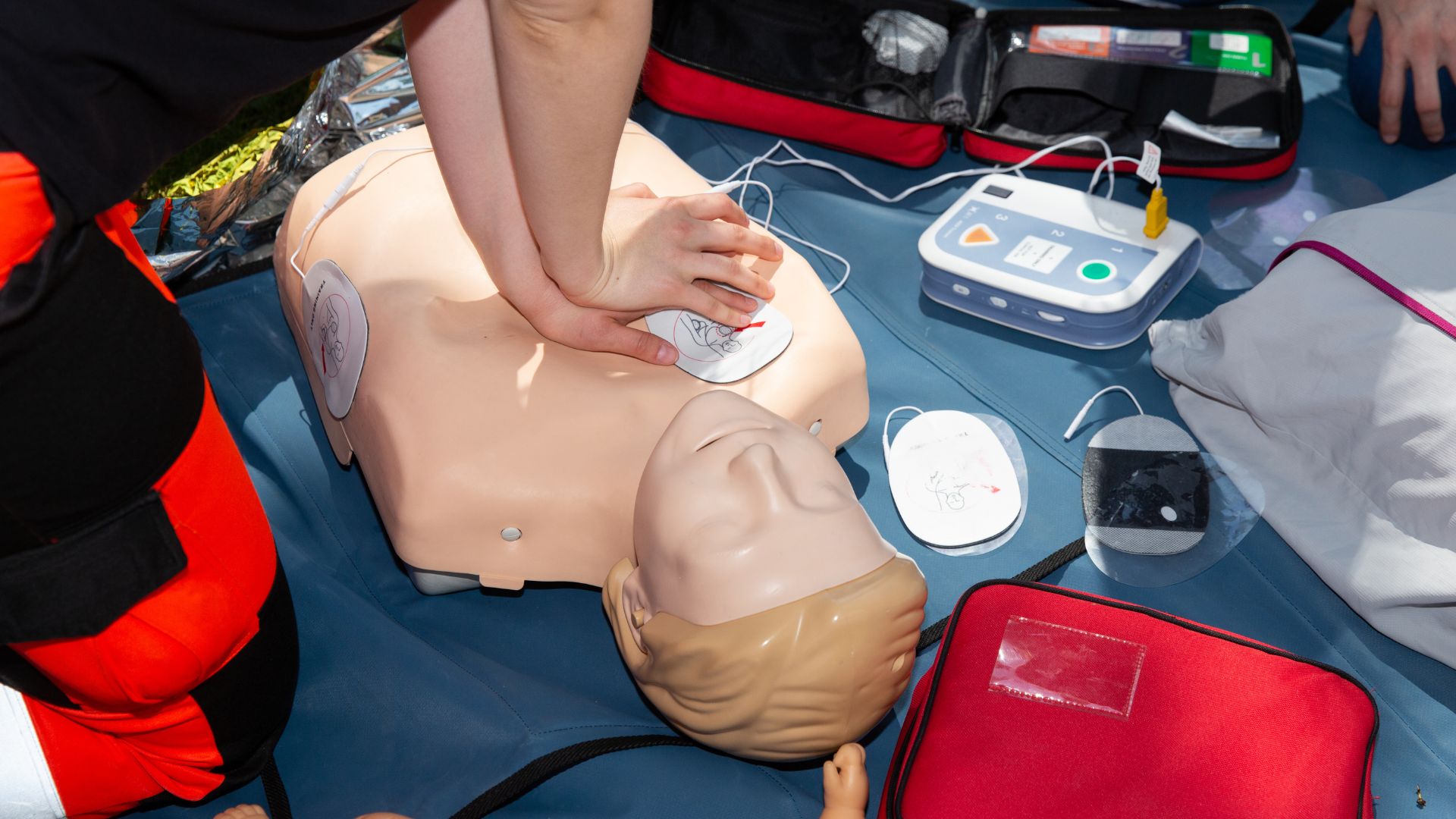
In the world of emergency medical response, understanding the distinction between BLS certification and standard CPR training can be a critical factor in saving lives. As these two forms of training often intertwine in public perception, it’s essential to delineate their unique characteristics and applications. This clarity not only aids healthcare professionals but also empowers individuals across various sectors to respond effectively in life-threatening situations.
Whether you’re a healthcare provider seeking to enhance your qualifications or an organization aiming to equip your team with essential lifesaving skills, comprehending the nuances between Basic Life Support (BLS) and Cardiopulmonary Resuscitation (CPR) is pivotal. In the sections that follow, we will explore the specific components of BLS certification, its comprehensive approach to emergency care, and how it extends beyond the basic CPR techniques taught in standard training courses. By doing so, we’ll provide insightful guidance for those looking to make informed decisions about their emergency preparedness training.
Understanding the Basics of BLS Certification
For anyone involved in emergency medical response, a thorough understanding of Basic Life Support (BLS) certification is crucial. Unlike standard CPR training, which primarily focuses on the manual techniques of resuscitation, BLS certification encompasses a wider range of emergency care skills. This includes advanced airway management, use of automated external defibrillators (AEDs), and the assessment of vital signs,all essential components for responding to cardiac arrests and other life-threatening situations effectively.
At CPR Certification San Diego, our BLS courses are designed to provide participants with a comprehensive skill set that goes beyond traditional CPR. These courses are particularly beneficial for healthcare professionals and first responders who need to be adept at managing various emergency scenarios. The training emphasizes teamwork, communication, and critical thinking,skills that are indispensable when time is of the essence.
Moreover, BLS certification is not only vital for those in the healthcare sector but is also increasingly being recognized by organizations across different industries. Companies are prioritizing this training to ensure workplace safety and preparedness. By choosing to pursue BLS certification, individuals and teams can significantly enhance their ability to make a difference when every second counts.
In conclusion, understanding the scope and advantages of BLS certification can empower you to act decisively and effectively in emergencies. If you’re considering this path, explore the comprehensive resources and expert-led training programs offered by CPR Certification San Diego to ensure you’re fully equipped to save lives.
Key Differences Between BLS and CPR Training
Understanding the distinctions between BLS certification and standard CPR training is essential for anyone involved in emergency response. While both are crucial for saving lives, they cater to different needs and scenarios. Here are the key differences:
1. Scope of Skills: CPR training primarily focuses on the basic manual techniques of resuscitation, which are essential for immediate response to cardiac emergencies. In contrast, BLS certification encompasses a broader range of skills, including advanced airway management, AED use, and vital signs assessment, making it more comprehensive for handling diverse medical emergencies.
2. Target Audience: CPR is designed for the general public, equipping individuals with the fundamental skills to assist in emergencies. BLS, however, is tailored for healthcare professionals and first responders who require a deeper understanding and proficiency in emergency medical care.
3. Training Intensity: CPR courses are typically shorter and more basic, emphasizing immediate life-saving actions. BLS courses, as offered by CPR Certification San Diego, are more intensive and detailed, providing in-depth training that includes teamwork and critical thinking exercises crucial for professional emergency responders.
4. Certification Requirements: While CPR certification might suffice for some job roles, many healthcare positions and organizations now require BLS certification due to its comprehensive nature. This reflects a growing recognition of the importance of advanced emergency preparedness in the workplace.
5. Renewal Frequency: Both CPR and BLS certifications require periodic renewal to ensure skills remain up-to-date. However, BLS often involves more rigorous assessment and re-certification processes, reflecting the advanced skills and knowledge it imparts.
By recognizing these differences, individuals and organizations can make informed decisions about which certification best suits their needs, ultimately enhancing their ability to respond effectively in critical situations.
Benefits of Obtaining BLS Certification
Obtaining BLS certification offers numerous advantages that extend beyond the foundational skills acquired through standard CPR training. For professionals in healthcare and emergency response roles, BLS certification represents a significant enhancement of their capability to manage complex medical emergencies. CPR Certification San Diego provides courses that not only focus on advanced resuscitation techniques but also emphasize pivotal skills such as teamwork, communication, and critical thinking,elements essential for effective emergency management.
One of the primary benefits of BLS certification is the comprehensive skill set it imparts. Participants gain proficiency in advanced airway management, the use of automated external defibrillators (AEDs), and vital signs assessment, equipping them to handle a variety of emergency scenarios with confidence. This is particularly crucial in high-stakes environments where swift, informed decision-making can drastically alter outcomes.
Moreover, BLS certification is increasingly valued across various industries, not just within healthcare. Organizations are recognizing the importance of having team members who are adept at responding to emergencies, thereby enhancing workplace safety and preparedness. By investing in BLS training, companies can foster a culture of safety and readiness, ultimately contributing to a safer community environment.
Additionally, obtaining BLS certification can significantly enhance career prospects. Many healthcare facilities and emergency services organizations require this level of certification due to its comprehensive nature. BLS-certified individuals are often viewed as more capable and prepared, which can lead to greater professional opportunities and advancement.
Finally, the certification process itself ensures that individuals remain up-to-date with the latest best practices in emergency care. Regular renewal and re-certification reinforce skills and knowledge, reflecting a commitment to maintaining high standards of care. By choosing BLS certification, individuals not only enhance their own capabilities but also contribute to a broader societal effort to improve emergency response outcomes.
Who Should Consider BLS Over Standard CPR?
When deciding between BLS certification and standard CPR training, it’s crucial to consider the specific needs and responsibilities of the individual or organization. While both types of training provide essential life-saving skills, the depth and breadth of BLS make it a more suitable choice for certain groups.
Healthcare Professionals: Those working in hospitals, clinics, or any medical setting are often required to hold BLS certification. This is due to the advanced emergency care skills it imparts, such as airway management and AED use, which are critical in medical emergencies. These professionals need to respond effectively to a wide range of scenarios, making BLS a necessary qualification.
First Responders and Emergency Personnel: Firefighters, police officers, and paramedics benefit greatly from BLS training. The comprehensive nature of BLS equips them with the proficiency needed to handle diverse and high-pressure situations. Their roles demand not only the ability to perform basic resuscitation but also to make quick, informed decisions, skills emphasized in BLS courses.
Corporate and Workplace Safety Officers: Organizations aiming to enhance workplace safety should consider BLS training for their safety officers. The advanced skills and emphasis on teamwork and communication ensure a higher standard of emergency preparedness, aligning with growing industry standards for occupational health and safety.
Individuals in High-Risk Environments: Those working in industries such as construction, manufacturing, or transportation, where the likelihood of workplace accidents is higher, should prioritize BLS certification. The training’s focus on critical thinking and advanced intervention techniques can make a significant difference in managing on-site emergencies.
Ultimately, choosing BLS over standard CPR depends on the context and demands of the situation. For those in roles where comprehensive emergency response capabilities are essential, BLS offers a robust framework for action. To explore training options that suit your needs, consider the expert-led programs at CPR Certification San Diego, which provide both foundational and advanced life-saving skills.
Final Thoughts On CPR and BLS Certification
In navigating the crucial landscape of emergency response, understanding the distinctions and advantages of BLS certification over standard CPR training is vital. BLS certification offers an expansive skill set that prepares healthcare professionals, first responders, and individuals in high-risk environments to manage complex medical emergencies with confidence. Unlike basic CPR, BLS training provides advanced techniques such as airway management and AED use, ensuring a comprehensive approach to lifesaving interventions.
For individuals and organizations seeking to elevate their emergency preparedness, investing in BLS certification is a strategic decision that enhances both personal capabilities and workplace safety. The rigorous training emphasizes critical thinking, teamwork, and communication,skills essential in high-pressure scenarios. Additionally, BLS certification is increasingly recognized as a standard in various industries, opening doors to greater professional opportunities and advancement.
To take the next step in enhancing your lifesaving skills, consider the expert-led programs offered by CPR Certification San Diego. Our comprehensive courses are designed to equip you with the knowledge and confidence needed to respond effectively in emergencies.
Frequently Asked Questions
What is the difference between BLS certification and standard CPR training?
The primary difference between BLS certification and standard CPR training lies in the scope and depth of skills taught. CPR training focuses on basic manual resuscitation techniques essential for immediate cardiac emergency response. In contrast, BLS certification offers a more comprehensive skill set, including advanced airway management, the use of automated external defibrillators (AEDs), and vital signs assessment. BLS is tailored for healthcare professionals and first responders, requiring greater proficiency in emergency medical care, while CPR is designed for the general public.
Why is BLS certification required for healthcare professionals?
BLS certification is required for healthcare professionals because it equips them with the advanced emergency care skills necessary in medical settings. This training covers critical areas such as airway management and AED use, enabling professionals to respond effectively to various medical emergencies. As these situations often demand quick, informed decision-making, BLS certification ensures that healthcare workers are prepared to manage complex scenarios, thereby enhancing patient outcomes. This requirement reflects the growing emphasis on comprehensive emergency preparedness within the healthcare industry.
How does BLS training enhance emergency response skills compared to standard CPR?
BLS training enhances emergency response skills by providing a broader and more detailed education than standard CPR. It includes advanced techniques such as airway management, AED usage, and vital signs assessment, which are crucial in handling diverse medical emergencies. Additionally, BLS emphasizes teamwork, communication, and critical thinking, preparing participants to perform effectively in high-pressure situations. This training is particularly beneficial for healthcare professionals and first responders, as it ensures they possess the comprehensive skills needed for immediate and effective emergency intervention.
When should someone opt for BLS certification over standard CPR training?
Individuals should opt for BLS certification over standard CPR training when their roles require advanced emergency response capabilities. This includes healthcare professionals, first responders like firefighters and paramedics, and those in high-risk environments such as construction or manufacturing. BLS is also suitable for corporate safety officers looking to enhance workplace safety. With its comprehensive approach, BLS training ensures preparedness for complex emergencies, making it the preferred choice for those whose responsibilities involve managing diverse and high-stakes scenarios. For training options, visit CPR Certification San Diego.